
Low voltage switchboards
We select them against your single-line diagram, certified and type-tested to IEC 61439-1. They arrive ready to install, with the delivery date committed in writing.
A guide to moving from isolated interventions to a plan built around criticality, documentation and results: what to prioritize, how to measure and how to coordinate work safely.
AMAR Colombia ·

Equipment that still runs is not necessarily in good condition. An unresolved anomaly, incomplete documentation or a hard-to-source part can turn a minor outage into a production problem. Preventive maintenance organizes attention to these risks before they force improvised responses.
The goal is not more intervention, but purposeful intervention. Each task should address a failure mode, produce useful evidence and lead to a clear decision: continue, monitor, schedule a correction or escalate the finding. A signed checklist without acceptance criteria does not demonstrate operational readiness.
It is a scheduled care strategy triggered by time, usage or operating cycles. Its scope may include documentation reviews, inspections and activities specified in the manufacturer's manual. The program connects the asset inventory with owners, resources and closure evidence.
The strategies complement each other. Corrective maintenance responds to failure; preventive maintenance schedules tasks by calendar or use; predictive maintenance uses changes in condition to guide intervention. The choice depends on the asset and available information, not on which term sounds more modern.
| Strategy | Trigger | Application criterion |
|---|---|---|
| Corrective | Failure or loss of function | Define contingency and consequences before accepting run-to-failure. |
| Preventive | Time, hours or cycles | Schedule tasks justified by the manual and documented experience. |
| Predictive / condition-based | A meaningful trend or condition | Requires comparable measurements, interpretation and the ability to act. |
A coherent program makes coordination between operations, maintenance and procurement more predictable. It identifies overdue work, findings that need attention and resources required for a work window. Improvement is demonstrated through your own records, not universal savings percentages.
The measure of a good plan is not how many tasks it contains, but how many evidence-based decisions it enables.
Compare equivalent periods: the same asset family, similar loading and consistent failure-recording rules. If the measurement boundary changes, document the change before attributing improvement to the program.
Start with the consequences of losing the equipment's function. Consider safety, process continuity, quality, the environment and recovery time. A small asset without backup may deserve more attention than an expensive asset with genuine redundancy.
| Activity | When to define it | Closure evidence |
|---|---|---|
| Review inventory and drawings | When establishing the plan and after modifications | Confirmed identifier and document version |
| Document condition and findings | In the agreed window based on risk and manual | Record, comparison and owner of each action |
| Prepare specialist intervention | For findings or justified scheduled work | Approved permits, method, resources and criteria |
| Review program effectiveness | At the review cycle agreed by the team | Closed actions and documented adjustments |
The template illustrates organization; it is not an instruction to open or service the switchboard. Switching, tests and parameters must be defined for the installed reference by competent personnel using applicable procedures.
There is no single interval for all equipment. Establish the starting point from the specific reference's manual, duty, environment, history and applicable requirements. Distinguish routine inspection, specialist testing and intervention: they are not interchangeable.
Increase attention when meaningful signals emerge or conditions change; do not reduce tasks merely because no recent failure occurred. Extending intervals requires comparable evidence and technical approval. Consult the manufacturer's specific instructions before changing the program.
MTBF relates observed operating time to failures of repairable assets. MTTR expresses the average repair time defined in your records. Document what that time includes: diagnosis, waiting for spares and restoring service may be measured differently. Do not compare indicators with different boundaries.
For observed availability, record available time and total required time over the same window. The approximation MTBF / (MTBF + MTTR) describes inherent availability under simplified assumptions: it is not itself operational availability when logistical delays, planned outages or other losses are present.
Before intervention, the organization must identify hazardous energy, define authorized personnel and coordinate the energy-control procedure. Stopped machinery may retain stored energy. Permits, training and the verification required by the procedure cannot be replaced by informal observation.
A useful review meeting ends with decisions: what will be corrected, who owns it, which date is feasible and what evidence demonstrates closure. Keeping records concise and consistent is often more useful than expanding forms that nobody completes.
A maintenance management system can centralize assets, work orders and history. Start with unique identifiers and consistent categories. A sensor or dashboard does not solve an incomplete chain: signal, interpretation, decision and action need owners.
Avoid recording isolated values alone. Save context: load, environment, date, instrument and method. This helps distinguish a trend from a measurement taken under different conditions. Monitoring should support reviewable decisions rather than create alarms the team eventually ignores.
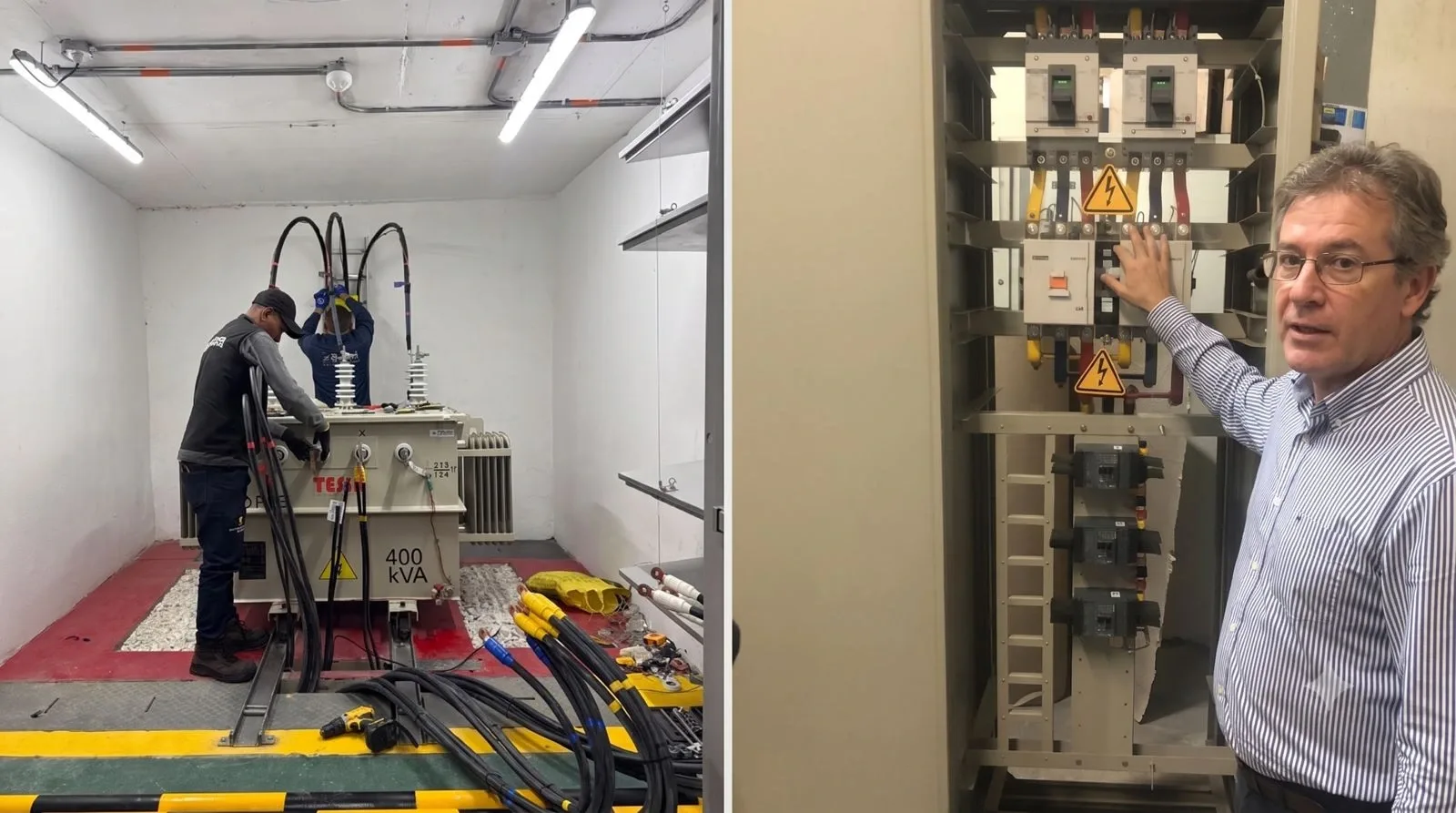
Select an equipment family, confirm its inventory and review recent work orders. Identify recurring findings and documentation gaps. Then agree a concise plan with operations: justified tasks, available resources and closure criteria. At the end of the cycle, assess which decisions the records enabled and what information remains missing.
Preventive maintenance improves when it stops being a separate schedule and becomes a shared approach to caring for operations. Continuity depends as much on the technical quality of the intervention as on preparing, documenting and closing work properly.
It depends on equipment, environment, duty and criticality. Use the installed reference's documentation and review the program using evidence. This guide does not prescribe an interval for every asset.
Not necessarily. Scheduled tasks and condition monitoring can coexist. Monitoring requires comparable data, technical interpretation and a process for responding to deviations.
Start with asset identification, operating hours, failures, repair time and open actions. Define each field before calculating indicators.
International references provide concepts and technical documentation; they do not replace local requirements or manufacturer instructions. Regulatory applicability must be determined for the specific project and activity.
We select them against your single-line diagram, certified and type-tested to IEC 61439-1. They arrive ready to install, with the delivery date committed in writing.
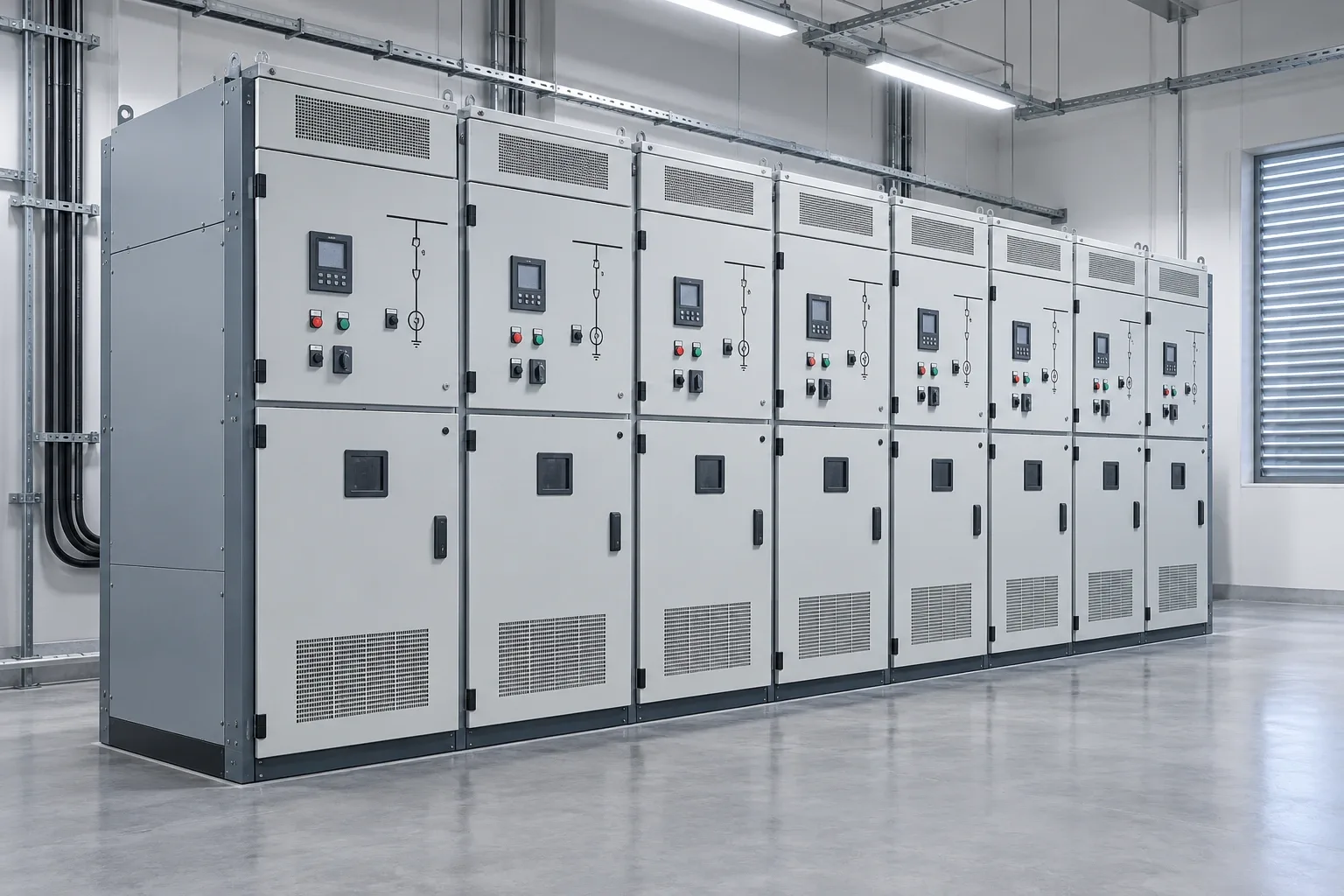
Switching and protection for your substation, in SF6 and air — the SF6 ones are Siemens. All of them factory-assembled and type-tested.
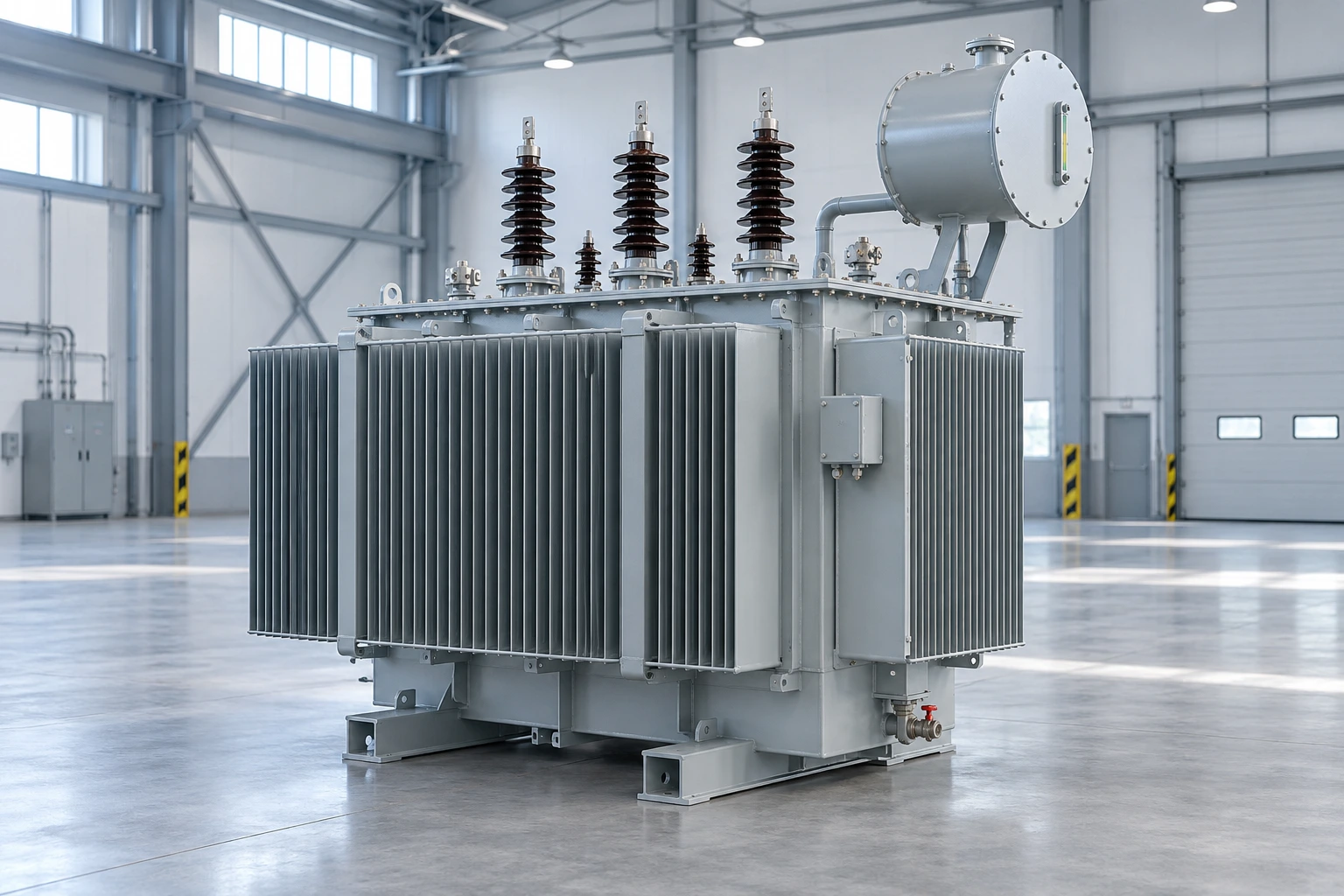
Dry-type and oil transformers, gensets and UPS. We import directly, so the price doesn't pass through three middlemen.
A good switchboard starts with good requirements
Safety starts before intervention
Data that actually helps protect assets
Contact AMARMaintenance · Reliability · Safety · Switchboards · Digitalization